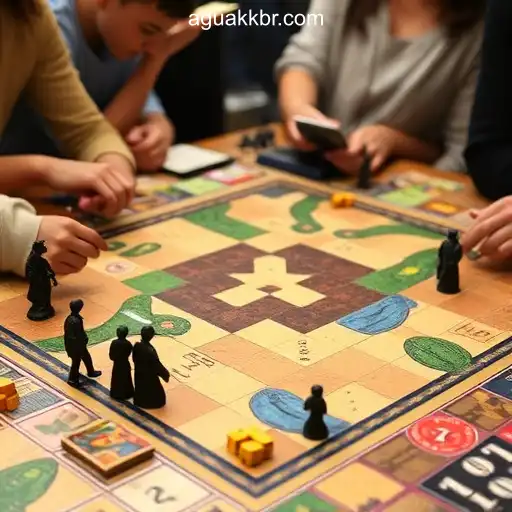
Tabletop Games: A Thriving Hobby in a Digital Age
In an era where digital entertainment dominates leisure time, tabletop games have made a surprising resurgence. These games combine the tactile satisfaction of physical pieces with strategic complexity, offering players an immersive experience distinct from digital platforms. The rich tapestry of historical games, coupled with modern innovation, has led to a revival of interest in this timeless form of entertainment.
The Origins and Evolution of Tabletop Games
Tabletop games have a storied history that spans multiple cultures and centuries. From ancient strategies in games like Go and Chess to more modern creations, these games have evolved to meet the changing tastes and preferences of successive generations. Originally, tabletop games were a means to teach strategy and critical thinking, often serving as a pastime among elite circles. However, their accessibility has greatly expanded, turning them into a widely appreciated pastime for people of all ages and backgrounds.
As time progressed, the genre witnessed a plethora of innovations. During the 20th century, a boom in creative tabletop games occurred with the introduction of classics like Monopoly, Scrabble, and Clue. These games set the foundation for the diverse array of contemporary tabletop games that we see today.
Modern Tabletop Games: A Renaissance
The late 20th and early 21st centuries marked a renaissance in tabletop game design. Fueled by small independent publishers and a grassroots community of enthusiasts, the variety and quality of tabletop games blossomed. The introduction of Eurogames, such as Settlers of Catan and Carcassonne, marked a significant shift towards games that emphasized economic strategy, resource management, and player interaction over the chance-dominated mechanics of previous eras.
This era of increased innovation has led to a flourishing of hybrid genres. Games like Gloomhaven offer a complex blend of role-playing and strategy, providing players a narrative-driven experience. Meanwhile, deck-building games such as Dominion have reimagined aspects of trading card games, creating a streamlined and dynamic experience.
The Social Aspect of Tabletop Gaming
A pivotal aspect of the tabletop gaming resurgence is the social experience it fosters. In contrast to solitary digital gaming, tabletop games require face-to-face interaction, facilitating a communal experience. This social element not only brings friends and family together but also fosters new connections through organized gaming events and conventions around the world.
Communities formed around tabletop games are often inclusive and welcoming, encompassing a diverse range of backgrounds and interests. This social dimension has only been further amplified with the rise of gaming cafes and local game stores that offer spaces for enthusiasts to come together and play.
Expanding Horizons with Tabletop Games: From Casual Play to Competitive Scenes
While many enjoy tabletop games for casual fun, others pursue them at a more competitive level. Competitive scenes have emerged around games such as Magic: The Gathering and Warhammer, boasting international tournaments and organized play systems. These competitive arenas showcase the depth and strategic layers offered by certain tabletop games, transcending them from mere pastimes to intellectual challenges.
Furthermore, the advent of digital platforms has enabled enhanced accessibility and variety within tabletop gaming. Online services, parallel to platforms like AguaKK Cassino online mais confiável do Brasil🍀, offer digital renditions of popular games, allowing for play across global networks. This integration of digital interfaces has introduced tabletop games to a broad audience, reinforcing their status in contemporary culture.
Enhancing Skills through Strategic Gaming
Tabletop games are not only entertaining but also serve as effective tools for enhancing cognitive and social skills. Strategy games require players to assess situations and make calculated decisions, bolstering critical thinking and problem-solving abilities. Meanwhile, cooperative games, such as Pandemic and Forbidden Island, encourage teamwork and communication, as players must collaborate to achieve a common goal.
Moreover, games with economic themes can introduce players to fundamental concepts of resource management and economization. By engaging with these skills in an entertaining and low-stakes environment, players can translate those abilities into real-world contexts.
The Future of Tabletop Gaming
The future of tabletop games looks promising, as the industry continues to grow and innovate. Crowdfunding platforms and direct-to-consumer sales models have empowered independent designers, allowing for unconventional and experimental game designs to reach a wider audience. This democratization of game publishing has not only diversified game offerings but also brought fresh perspectives into the industry.
Technological advancements are likely to shape the next phase of tabletop gaming. Augmented reality and app integration offer intriguing possibilities for merging traditional gaming components with modern digital enhancements, creating hybrid experiences that engage players even more deeply.